What Are The Financial Benefits of Solar Energy?
Published: 3 Nov 2025
The financial benefits of solar energy mean how much money you can save or earn by using solar power instead of electricity from the grid. Solar panels help lower your monthly bills and can even give you extra income when you send unused power back to the system. Knowing about these savings is important before you invest in solar. It helps you understand real costs, payback time, and long-term value. In this article, you will learn how solar energy saves money, what financial returns to expect, and why it’s a smart choice for your home or business.
Understanding Solar Energy Costs
Before we discuss savings, it’s essential to understand what comprises the cost of a solar energy system. The price is not just about the panels — it also includes other parts and setup work that make the whole system run smoothly.
How Solar Energy Systems Work
A solar energy system turns sunlight into electricity. Solar panels on your roof collect sunlight and change it into direct current (DC) power. An inverter then converts this DC into alternating current (AC), which is the type of electricity your home or business uses. If your system makes more power than you need, that extra energy can go back to the grid, often earning you credit through net metering.
Initial Setup Cost: Panels, Inverter, and Installation
The upfront cost of a solar setup usually covers three main things: the panels, the inverter, and installation.
- Panels: These are the most visible part of the system and take up the largest share of the cost.
- Inverter: This device changes the electricity from the panels into usable power.
- Installation: This includes mounting, wiring, and labor charges for professionals who fit the system safely.
Many people worry about this first payment, but prices have dropped a lot in recent years. Modern solar systems are more affordable and efficient than ever before. Plus, many companies offer flexible financing or easy payment plans that make it lighter on the pocket.
Long-Term View: How Solar Becomes Cheaper with Time
Once your solar system is installed, your running costs are almost zero. The sun’s energy is free, and panels usually last 25 years or more. Over time, you recover your initial cost through smaller electricity bills. After that point, the power you generate is almost pure profit. You also save more each year as grid electricity prices continue to rise.
In short, solar energy may seem like a big step at first, but it pays back steadily. It’s not just good for the planet — it’s a smart financial move for your future.
What are the Economic Benefits of Solar Energy
Here is a list of the economic benefits of solar energy.
- Lower monthly electricity bills
- Earnings through net metering or power export
- Tax credits and government incentives
- Increased property value
- Low maintenance and long lifespan
- Protection from rising electricity rates
- High return on investment (ROI) over time
- Affordable financing and easy payment options
- Energy independence and long-term savings
1. Lower Monthly Electricity Bills
Solar panels make your own power from sunlight. This reduces how much electricity you buy from the grid. As a result, your monthly bills go down. The more energy you use during the day, the more you save. Over the years, these savings add up to a big amount.
Key Advantages:
- Cut power bills by up to 70%
- Save more during sunny months
- Keep extra cash for other expenses
2. Earnings Through Net Metering or Power Export
When your panels produce more power than you use, the extra goes back to the grid. This process is called net metering. In return, you get credits or money from your power company. It’s an easy way to earn while helping the energy system stay balanced.
Key Advantages:
- Get paid or credited for extra energy
- Lower your next month’s bill
- Support cleaner community power
3. Tax Credits and Government Incentives
Many governments offer rewards for choosing solar energy. These come as tax credits, rebates, or discount programs. They help reduce the total cost of installing your solar system. This makes solar more affordable for homes and businesses.
Key Advantages:
- Save money through tax breaks
- Reduce upfront installation cost
- Recover investment faster
4. Increased Property Value
Homes with solar systems often sell for higher prices. Buyers like properties with lower running costs. Solar panels show that a home is modern and energy-efficient. This small change can boost your property’s value and appeal.
Key Advantages:
- Higher resale value
- Attract eco-friendly buyers
- Strong market demand for solar homes
5. Low Maintenance and Long Lifespan
Solar panels need very little care to keep working well. A quick cleaning a few times a year is enough. Most systems come with long warranties that cover 20–25 years. This means stable savings and no worry about repairs.
Key Advantages:
- Minimal upkeep cost
- Long warranty period
- Reliable performance for decades
6. Protection from Rising Electricity Rates
Electricity prices often increase every few years. Solar power helps you avoid these hikes. Once you install your system, your energy cost stays almost fixed. You produce your own power and worry less about changing rates.
Key Advantages:
- Stable power cost for years
- Freedom from grid price increases
- Predictable energy spending
7. High Return on Investment (ROI) Over Time
Solar panels may seem costly at first, but they pay back quickly. Most systems recover their cost within 5–8 years. After that, you enjoy years of free power. This makes solar a strong financial investment.
Key Advantages:
- Fast payback period
- Free electricity after recovery
- Great long-term value
8. Affordable Financing and Easy Payment Options
Many companies now offer flexible solar plans. You can lease, take a loan, or join a power purchase agreement. These options reduce the burden of upfront costs. It allows more people to switch to solar without stress.
Key Advantages:
- No need for full payment upfront
- Flexible financing options
- Easy start for new users
9. Energy Independence and Long-Term Savings
With solar, you depend less on the power grid. You make your own clean energy and use it whenever you need. This independence gives peace of mind and long-term savings. It’s a step toward self-sufficiency and a stable future.
Key Advantages:
- Produce your own energy
- Reduce grid dependence
- Enjoy lasting financial freedom
Comparing Solar vs Traditional Energy Costs
Switching to solar energy is not just about being eco-friendly — it’s also about smart money choices. When you compare solar with traditional grid electricity, the savings become clear. Let’s see how solar helps you spend less and save more over time.
Monthly Cost Difference Between Solar and Grid Electricity
Electricity from the grid keeps getting more expensive every few years. In contrast, solar power gives you free energy from the sun after your system is installed. You still pay a small amount for grid use or maintenance, but it’s far less than a regular bill. Many homeowners see their monthly costs drop by 50% or more once they go solar.
Example:
If your current bill is around $100 per month, solar could reduce it to $30 or even less, depending on your system size and sunlight hours.
How Long Does It Take to Recover Your Investment (Payback Period)
The payback period is how long it takes to recover the money you spent on your solar system. On average, most homes recover the full cost within 5 to 8 years. After that, the energy you generate is pure profit.
Your savings depend on your location, system size, and power use. But once you cross the payback point, you can enjoy more than 15 years of free or very cheap electricity.
Tip:
Choosing quality panels and proper installation helps you reach your payback period faster.
Example of Savings Over 10–20 Years
Let’s take a simple example. Suppose your system saves you $70 per month on electricity. That’s about $840 each year. Over 10 years, you save roughly $8,400 — and over 20 years, your savings could reach $16,000 or more.
During that same time, grid electricity costs may keep rising. With solar, your energy cost stays almost fixed, which means more control and bigger long-term savings.
In the end, solar energy doesn’t just power your home — it protects your wallet too.
Financial Planning Tips for Going Solar
Going solar is a smart choice, but planning your finances properly is better. A little preparation helps you understand how much you’ll spend, how soon you’ll recover it, and what to expect in the long run. Here are some simple tips to guide your solar investment.
How to Calculate Your Solar Return on Investment (ROI)
Your return on investment (ROI) shows how quickly your solar system pays you back. To find it, compare your total solar cost with your yearly savings on electricity bills. Divide the total cost by your yearly savings — the answer tells you how many years it takes to recover your money.
For example, if your system costs $6,000 and you save $1,000 each year, your payback period is around 6 years. After that, your savings are profit. The longer your system runs, the higher your total return becomes.
Quick Tip:
Keep track of your monthly power use and savings. It helps you see real progress over time.
Smart Financing Options (Loans, Leasing, Power Purchase Agreements)
Not everyone can pay for a solar system all at once, and that’s okay. There are several easy ways to finance your setup:
- Solar loans: You borrow money and pay it back monthly, just like any home loan. Once you finish, the system is fully yours.
- Leasing: You rent the system from a company and pay a small monthly fee. The company owns the panels, and you enjoy the energy savings.
- Power Purchase Agreements (PPAs): You agree to buy the power made by the panels at a lower price than the grid rate. It’s a simple way to go solar without owning the system.
Each plan has its own benefits. Choose one that fits your budget and long-term goals.
Things to Check Before Installing Solar
Before installing solar, take time to review a few important points.
- Roof condition: Make sure your roof is strong and clear of shade.
- System size: Check your power use so you can choose the right number of panels.
- Installer experience: Pick a trusted and certified solar company.
- Warranty: A good warranty ensures peace of mind for years.
Doing these checks early helps you avoid extra costs and keeps your system running smoothly.
With clear planning, smart financing, and the right setup, solar energy becomes an investment that keeps paying you back for many years.
Who Benefits the Most from Solar Energy?
Solar energy is for everyone, but some people gain more financial and practical value than others. It depends on how much electricity they use, when they use it, and how long they plan to stay in the same place. Let’s see who benefits the most from going solar.
Homeowners
Homeowners are the biggest winners when it comes to solar energy. They can lower their monthly bills, increase their property value, and enjoy years of free electricity. Once the system is paid off, the savings continue for decades. It also makes homes more eco-friendly and energy independent.
Key Benefits:
- Save big on power bills
- Boost property value
- Enjoy free power for years
Small Businesses
Small businesses often face high and unpredictable energy costs. Solar helps them manage these costs with stable, lower monthly bills. It also improves their public image as an eco-conscious brand. The money saved can be used for growth or daily operations.
Key Benefits:
- Lower and more predictable bills
- Good return on investment
- Positive brand image with customers
Schools or Farms with High Power Use
Schools and farms use a lot of electricity every day — from running machines to lighting and equipment. Solar panels help cut these large costs and allow them to use funds for other needs. Farms, in particular, benefit because they usually have wide open spaces for panels.
Key Benefits:
- Big savings on high energy use
- More budget left for education or farm needs
- Reliable power for daily operations
Whether it’s a home, a small shop, a school, or a farm, solar energy brings steady savings and long-term comfort. It’s a clean and cost-effective way to take control of energy costs.
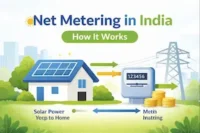
Before you finish planning your solar setup, take time to learn how long your system can last and how it pays back. This quick guide on the solar panels’ lifespan explains how durable panels are and what you can expect over the years. Also, see the gross metering vs net metering guide to understand which billing method gives you better returns. Knowing these details helps you make a smarter and more profitable solar decision.
Conclusion:
Solar energy is more than just clean power. It is a smart way to save money for many years. It lowers your monthly bills, helps you earn from extra power, and adds value to your property. With little maintenance and long-lasting panels, solar keeps paying you back long after the system is installed.
Switching to solar is a wise long-term decision. It protects you from rising electricity costs and gives you control over your energy use. Whether you own a home, a small business, or a farm, solar power brings real financial relief and peace of mind.
Now is the right time to explore solar options for your home or business. Start small, check your savings potential, and enjoy the steady rewards of clean and affordable energy.
Common Questions About the Financial Benefits of Solar Energy
Many people want to know how solar energy helps them save money and if it’s really worth the cost. Below are some simple answers to the most asked questions about the financial side of solar energy. These will help you understand how solar works, how much you can save, and why it’s becoming a smart choice for homes and businesses
Solar energy helps you save money on electricity bills every month. It reduces your dependence on the power grid, so you spend less on energy. Over time, your savings increase, and the solar system pays for itself. You can also earn money by selling extra power back to the grid. Plus, installing solar panels adds value to your home or business.
Solar energy lowers your monthly electricity bills. It provides clean, renewable power that’s good for the environment. You can earn income by sending unused energy back to the grid. Solar panels need little maintenance and last for decades. They also increase the value of your property, making solar a smart investment.
When you install solar panels, you pay an upfront cost for the equipment and setup. After that, the panels start making free electricity from sunlight. This cuts down your power bills and helps you save money every month. In a few years, your savings will cover the setup cost. After that, most of your power is completely free.
Solar energy saves money by reducing your electricity bills. Instead of buying energy from the grid, you make your own from sunlight. The more power your system produces, the less you pay to your utility company. Many people also earn credits or payments for the extra energy they share. Over time, these savings make a big difference.


- Be Respectful
- Stay Relevant
- Stay Positive
- True Feedback
- Encourage Discussion
- Avoid Spamming
- No Fake News
- Don't Copy-Paste
- No Personal Attacks
- Be Respectful
- Stay Relevant
- Stay Positive
- True Feedback
- Encourage Discussion
- Avoid Spamming
- No Fake News
- Don't Copy-Paste
- No Personal Attacks
