What Are Frameless Solar Panels : Advantages and Disadvantages
Published: 21 Nov 2025
Many people feel unsure when they hear the term frameless solar panels because they look different from the panels we see every day. This guide provides clear guidance to help you understand what makes them useful. I will discuss what Frameless Solar Panels Are. Characteristics, advantages and disadvantages, use cases of frameless solar panels, manufacturing techniques, applications of frameless solar panels, opportunities, and how to identify frameless solar panels.
What are Frameless Solar panels?
Frameless solar panels are panels that do not have a metal frame around the edges. The glass covers the top and bottom sides, so the panel looks clean and flat. These panels use strong glass to protect the solar cells from heat, dust, and moisture. Many people use them in places where they want a smooth look, such as modern homes or solar carports. They also support easy cleaning because dirt does not collect on the edges.
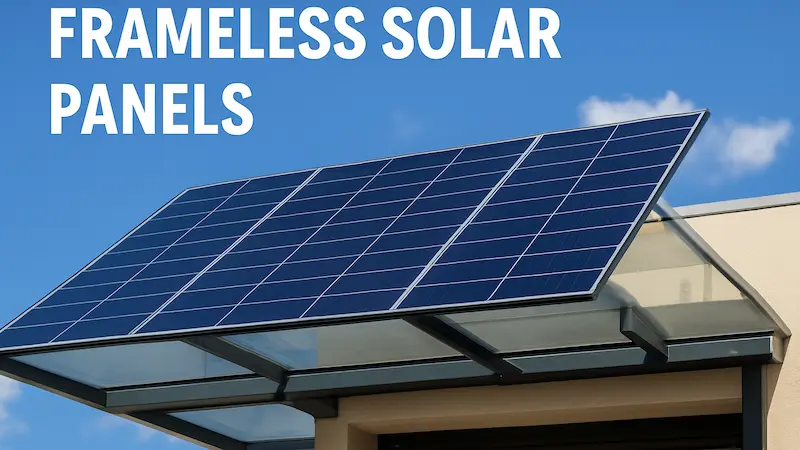
Some panels come from special manufacturing steps that bond the glass tightly for better strength. You can spot a frameless solar panel by its sharp edges, uniform glass surface, and lack of aluminum borders. These features make the panel different from regular framed solar panels.
Characteristics of Frameless Solar Panels
Frameless solar panels have features that set them apart from standard framed models. Their structure focuses on clean glass edges, simple design, and solid strength. These panels stay dependable because the cells sit safely between two glass layers. They suit homes and spaces that want both good looks and strong performance.
Key Characteristics:
- Smooth glass edges with no metal border
- Dual-glass build that protects the solar cells
- Neat and flat surface that blends with modern styles
- Strong bonding between glass layers for stable support
- Lower dust build-up because there are no frame corners
- Simple cleaning due to the plain glass finish
- Good temperature control in hot and sunny areas
- Stylish appearance suited for homes, patios, and canopies
How Frameless Solar Panels Look
These panels have smooth edges and the same glass surface on all sides. You will not see metal corners or frames. This shape makes the panel look slim and neat.
How Frameless Solar Panels Work
The panel still makes electricity in the same way as framed panels. Sunlight hits the solar cells, and the cells produce power. The difference is only in the outer structure, not in the working system.
Main Parts of a Frameless Solar Panel
The top glass shields the cells from rain and dust. The back glass supports the cells and adds extra strength. The solar cells sit safely between these two layers.
Why Use Frameless Panels Strong Glass
The panel depends on strong tempered glass because it does not have a metal frame for support. The thick glass helps the panel stay safe from heat, wind, and light impact.
Where You Usually See Frameless Solar Panels
Many building owners choose these panels for rooftops, patios, and solar carports. They also appear in places that want a clean look, like glass canopies or modern home projects.
Advantages of Frameless Solar Panels
Frameless solar panels give a clean look and fit well in modern designs. They are easy to clean because dust does not gather on the edges. The strong glass helps the panel stay safe in heat and rough weather. Many people choose these panels when they want strength, simple maintenance, and a smooth finish.
- Simple and clean look for modern buildings
- No metal frame that can rust
- Less dust build-up on the edges
- Easy to clean with water
- Strong tempered glass for better support
- Good performance in hot areas
- Lower risk of moisture entering the panel
- Lightweight because there is no frame
- Safe bonding between glass layers
- Works well on rooftops, patios, and carports
- Fits well in glass canopy designs
- Suitable for homes that want a neat style
Here is an explanation of each benefit of the frameless solar panels
1. Simple and clean look for modern buildings
This panel gives a smooth shape because it has no metal border. Many architects like this look for new homes and offices. The panel blends with glass roofs and open spaces. It helps the building look neat and well planned.
Key points:
- The smooth glass shape gives the building a clean and modern appearance.
- The panel has no sharp edges, so it blends well with modern roof designs.
- The design matches new home styles that focus on neat and simple lines.
- The flat surface helps the panel fit well with glass or tile roofs.
2. No metal frame that can rust
A frameless panel avoids rust because it has no aluminum frame. This helps the panel stay in good shape for many years. It reduces long-term damage in wet or coastal areas. You spend less time worrying about metal decay.
Key points:
- The glass body removes the risk of rust that happens with aluminum frames.
- Homes in coastal areas benefit because there is no metal to corrode.
- The long life of the panel stays safe because no rust forms on the edges.
- The panel needs less care because it has no metal parts that weaken over time.
3. Less dust build-up on the edges
Dust usually sticks to metal corners, but frameless panels lack these corners. The smooth sides help dust slide off. This keeps the surface cleaner for more days. It also allows the panel to work well.
Key points:
- The smooth edges stop dust from collecting and make the panel stay cleaner.
- The glass sides let wind and rain remove light dust easily.
- The clean edges help keep the sunlight path clear for better output.
- The panel stays neat for more days because dirt does not stick in corners.
4. Easy to clean with water
You can wash the glass with simple water. There are no frame gaps where dirt gets stuck. Cleaning becomes quick and light. This saves both time and effort.
Key points:
- You can clean the glass surface quickly with basic water and no scrubbing.
- There are no frame gaps, so dirt does not stay stuck in hidden spots.
- The cleaning process takes less time because the surface stays smooth.
- Homeowners save effort because the panel needs only light cleaning.
5. Strong tempered glass for better support
The panel uses thick glass that protects the cells. This glass handles heat and wind well. It gives the panel a firm shape even without a frame. The cells stay safe inside the glass layers.
Key points:
- The thick tempered glass protects the cells from heat, dust, and light impact.
- The strong glass provides structural support even when no frame is present.
- The panel stays firm in outdoor weather because the glass holds its shape.
- The cells stay safe between the glass layers, which keeps the panel stable.
6. Good performance in hot areas
The glass design helps release heat faster. This keeps the cells cooler than some framed models. Cooler cells work better in strong sunlight. This helps the system stay stable in hot climates.
Key points:
- The glass design helps heat move out faster, so the cells stay cooler.
- Cooler cells produce better power during strong sunlight hours.
- Hot climate areas benefit because the panel remains steady in high heat.
- The panel keeps a stable output because heat does not stay trapped inside.
7. Lower risk of moisture entering the panel
Metal frames sometimes hold moisture at the edges, but frameless panels avoid this issue. The sealed glass keeps water away from the cells. This reduces early damage. It also protects the wiring inside the panel.
Key points:
- The sealed glass edges block water from entering the panel surface.
- Moisture does not stay trapped because there are no metal corners.
- The sealed design protects the internal parts from slow water damage.
- The panel keeps a longer life because the cells remain dry and safe.
8. Lightweight because there is no frame
Without a frame, the panel becomes lighter. This helps during lifting and fitting. Installers can move the panel easily on rooftops. It also reduces the load on weak roof areas.
Key points:
- The lighter body makes lifting and fitting easier for installers.
- The panel adds less load on weak roof areas because there is no metal frame.
- Workers move the panel safely without heavy metal edges adding weight.
- Homes with light roofing materials benefit from the lower panel weight.
9. Safe bonding between glass layers
The two glass layers hold the cells tightly. This bonding keeps the panel firm in strong wind. It also reduces cracks from light pressure. The cells stay fixed in one stable place.
Key points:
- The strong bond between the glass sheets keeps the cells fixed in place.
- The panel stays stable during strong winds because the layers hold tightly.
- The bonding reduces crack risks when light pressure hits the panel.
- The cells stay aligned and protected because the glass layers stay firm.
10. Works well in rooftops, patios and carports
The panel suits many open spaces. It blends well with both home and outdoor projects. The clean glass look improves the area. It also brings steady power for daily use.
Key points:
- The panel fits many home spaces like rooftops, patios, and carports easily.
- The glass look improves both home and outdoor areas while giving steady power.
- The design blends well with open spaces that need a clean and simple finish.
- People choose this panel where they want power and a neat visual look.
11. Fits well in glass canopy designs
People use frameless panels in glass walkways and canopies. The clear look matches the glass theme. It keeps the area bright while still making power. This makes the design look smooth and stylish.
Key points:
- The frameless style matches glass canopy structures because both use clean lines.
- The panel lets light pass through while still producing power for the home.
- The glass body keeps the canopy bright and open without blocking the view.
- The design improves the look of walkways and outdoor covers with smooth glass.
12. Suitable for homes that want a neat style
Many homeowners prefer a clean and simple look. This panel fits that style because it has no frame. It blends with roof tiles and glass surfaces. It gives the home a modern touch.
Key points:
- The panel fits well in homes that prefer simple and tidy design choices.
- The smooth glass surface blends with roof tiles and modern building materials.
- Homeowners get a modern touch because the panel has no frame lines.
- The neat design supports clean architecture and keeps the roof looking balanced.
Disadvantages of Frameless Solar Panels
Frameless solar panels come with some drawbacks that you should know before choosing them. They need careful handling because the glass edges stay exposed. The mounting process can take more time because the panel uses special clamps. Some panels may also cost more due to the extra glass and bonding steps.
- Exposed glass edges that need careful handling
- Higher risk of small chips on the corners
- Extra care is required during transport and installation
- Special mounting clamps that take more setup time
- Can cost more than framed panels
- Not ideal for very rough or dusty areas
- Glass edges may feel sharp if not handled well
- Limited support from some installers due to the different mounting style
- Slightly heavier glass layers in some models
- Harder to replace individual parts when damage happens
Here are the detailed explanations for each drawback of the frameless solar panel.
1. Exposed glass edges that need careful handling
The sides of the panel stay open because there is no frame. These edges can chip if someone knocks the panel during lifting. Installers must hold the panel safely at the right spots. The open edges need extra care at every step.
Main concerns:
- The open glass sides can break if they hit a hard surface.
- Workers must handle the panel with slow and steady movements.
- The edges stay more sensitive compared to framed models.
- The panel needs proper padding during movement and fitting.
2. Higher risk of small chips on the corners
The corners stay more exposed in frameless panels. Small impacts can cause tiny chips that may grow over time. These chips do not always stop the panel from working, but they weaken the structure. Owners need to check the corners from time to time.
Main concerns:
- Small corner cracks can appear from light bumps.
- Chips can reduce the long-term strength of the panel.
- Regular checks help catch early damage.
- The panel must stay protected during storage.
3. Extra care required during transport and installation
The panel needs extra padding when moving from one place to another. Without a frame, the panel has less shock protection. Installers must use proper tools and slow handling. This adds more time during the setup process.
Main concerns:
- Transport needs extra packing for safe delivery.
- The panel responds poorly to hard shocks.
- Installers take more time to place the panel correctly.
- Any rough step can harm the glass surface.
4. Special mounting clamps that take more setup time
Frameless panels use clamps made for glass edges. These clamps take longer to fix in place because they need exact positioning. The team must follow the correct steps to avoid uneven pressure. This can delay the full installation.
Main concerns:
- The clamps must sit evenly around the edges.
- Wrong placement can stress the glass sides.
- Setup takes longer than framed panel mounts.
- Installers need training to use these clamps well.
5. Can cost more than framed panels
Some frameless models cost more because they use more glass and bonding layers. The manufacturing steps also take more time. This can push the price higher than standard framed panels. Buyers should compare prices before choosing.
Main concerns:
- Extra glass increases the cost of each panel.
- Bonding steps make production slower and pricier.
- Buyers may spend more for the clean design.
- Budget planning becomes important for large projects.
6. Not ideal for very rough or dusty areas
Dust and sand can hit the open edges and cause small marks. Rough weather can also harm the glass corners. Homes in desert or windy areas may notice more wear. The panel stays safer in clean and calm locations.
Main concerns:
- Dusty zones can scratch the glass sides.
- Rough winds can stress the corners.
- The panel lasts longer in mild weather.
- Owners in harsh regions need extra care steps.
7. Glass edges may feel sharp if not handled well
Some panels have sharper edges because they skip the metal frame. People must wear gloves during lifting. A quick touch on the wrong spot can hurt the hand. Safe handling becomes a key step.
Main concerns:
- Sharp edges call for glove protection.
- A wrong grip can cause small cuts.
- The panel needs careful touching during setup.
- Installers must follow safe lifting methods.
8. Limited support from some installers due to the different mounting style
Not all installers work with frameless panels. Some prefer framed panels because the mounting steps are faster. This can limit the options for buyers in small towns. It also affects how quickly someone can find service.
Main concerns:
- Fewer installers handle frameless mounting.
- Service availability may vary by location.
- Buyers might wait longer for expert help.
- Some teams charge extra for special handling.
9. Slightly heavier glass layers in some models
Some frameless panels use thicker glass to support the structure. This makes the panel heavier than framed ones. The extra weight needs stronger mounting hardware. Roof checks may be needed for older buildings.
Main concerns:
- Thick glass adds weight to the panel.
- Heavy panels need strong mounting gear.
- Older roofs may need strength checks.
- Installers must lift the panel with care.
10. Harder to replace individual parts when damage happens
When a framed panel breaks, sometimes only the frame or a part can be replaced. Frameless panels come as a full glass unit. Damage to one side often means a full replacement. This makes repairs less flexible.
Main concerns:
- Damaged glass often needs full panel replacement.
- Repair costs can rise due to a fixed structure.
- The unit has no replaceable frame parts.
- Owners must plan for full swaps if cracks spread.
Use Cases
These panels work well in homes and outdoor areas, and you may want to compare how they fit into solar PV vs solar thermal systems.”. Many people choose them for open areas where the glass finish blends with the design. These panels also suit spots where easy cleaning helps keep the surface clear. They fit home projects, outdoor setups, and light commercial spaces that want both power and style.
Manufacturing Techniques of Frameless Solar Panels
Frameless solar panels use a simple but strong build process. The cells sit between two glass sheets that protect them from heat, dust, and light impact. The glass layers bond tightly through heat and pressure to form one solid unit. The panel then receives edge polishing to keep the sides smooth and safe. This method creates a clean shape that works without a metal frame.
Applications
Frameless solar panels fit many homes and outdoor spaces that prefer a clean and open look. People use them on rooftops, patios, and carports where the glass finish matches the design. They also work well in glass canopies, walkways, and shade structures because they blend with modern building materials. Some light commercial sites use them to add power without changing the visual style of the area.
Opportunities for Frameless Solar Panels
Frameless solar panels open new doors for homes and businesses that want clean design and better energy performance. Their smooth glass finish fits modern spaces that focus on style and function together. Many new builders prefer them because they blend into roofs, walls, and outdoor structures without looking bulky. These panels also support new ideas in smart homes and green buildings. With better design freedom, they create space for creative solar setups that were not possible before.
New Markets
- Frameless panels give architects more freedom to design clean and modern solar projects.
- They help companies target buyers who want solar power without a heavy metal frame look.
- These panels work well in premium housing projects that want style along with energy savings.
- They attract customers in resorts, malls, and new commercial spaces where design matters.
Design-Focused Buildings
- Frameless panels blend smoothly into glass buildings and modern home designs.
- They offer a neat look that fits luxury homes, offices, and outdoor sitting areas.
- Their low-profile style helps builders maintain a clean and open feel in new structures.
- They are ideal for canopies, pergolas, balconies, and skylights that need both shade and power.
Smart Integration With Green Homes
- Frameless panels match the clean design of smart and eco-friendly homes.
- They work well with energy-saving systems like smart inverters and home automation tools.
- Homeowners use them in spaces where looks, performance, and smart features must work together.
- They support future solar ideas like transparent panels and smart glass technologies.
How to Identify Frameless Solar Panels
You can spot frameless solar panels by their smooth and flat glass edges. They do not have the usual metal border that surrounds standard panels. The front and back surfaces both look like clean glass sheets with no frame lines. The corners appear sharp and uniform instead of being covered by metal. The mounting clamps attach directly to the glass, which also helps you notice the frameless design. These signs make it easy to tell the panel apart from framed models.
Conclusion
Frameless solar panels offer a balance between clean design and reliable energy production. They work well in homes, patios, carports, and modern buildings where appearance matters. The panels give benefits like easy cleaning, strong glass protection, and less dust build-up. At the same time, they have some drawbacks, such as higher cost and careful handling requirements. Knowing their advantages, disadvantages, use cases, and opportunities helps you make a clear choice. Frameless panels are a smart option for those who want style and performance together.


- Be Respectful
- Stay Relevant
- Stay Positive
- True Feedback
- Encourage Discussion
- Avoid Spamming
- No Fake News
- Don't Copy-Paste
- No Personal Attacks
- Be Respectful
- Stay Relevant
- Stay Positive
- True Feedback
- Encourage Discussion
- Avoid Spamming
- No Fake News
- Don't Copy-Paste
- No Personal Attacks
